TAKEAWAYS
Just three months into his term, the President of the United States of America (US) has announced additional tariffs across countries, obliterating over US$10 trillion in value in the stock market (or 10% of global gross domestic product), effectively sending widespread panic throughout the world.
In Asia, the US dollar has weakened against major currencies, fuelling fear and increasing expectations of inflation and recession. Almost 15% of US exports involve goods imported from Asia, and such tariffs will continue to affect the continent. In retaliation to the announcements that shook the world, the trade ministries from China, Japan and South Korea have started to seek protection through trilateral trade arrangements with each other.
In Singapore, the Singapore Economic Resilience Taskforce was officially established on April 16, to help local businesses and workers navigate the uncertainties.
Hear from industry leaders and accountancy professionals as they share their thoughts and expectations about the economy, and the potential measures the layman can take to cushion the effects of the impending recession. (The views expressed are those of the individuals and do not reflect the positions of their employer, organisation, or any affiliated entities.)
For Singapore SMEs, the immediate acute risks lie in rising costs and supply chain delays and, further down the road, the unpredictability of future trade flows. Key sectors, such as electronics, advanced manufacturing, and logistics, depending on their source and target market, may lose market share.
In the long term, the risk lies in fragmentation. If global firms shift towards self-contained regional supply chains, Singapore SMEs not embedded in these new networks, and those lacking a hinterland, may be left out. The complexity of trade compliance, rules of origin, and tariff navigation would be harder for smaller players to navigate unless they invest in digital tools or receive targeted support.
If there is an overall slowdown in the global economy, it will be a further challenge to SMEs which are dealing with a currently slow economy.
The risks posed by these tariffs could be significant, particularly regarding increased costs and potential supply chain disruptions for the aviation sector generally. For example, higher tariffs on imported aircraft parts and maintenance equipment may elevate operational expenses for airlines. Supply chain disruptions could cause delays in delivering essential components, affecting maintenance schedules, aircraft availability and reliability. This could lead to higher ticket prices and reduced flight frequencies, potentially decreasing passenger volumes and cargo throughput. This in turn could impact the broader economy given Singapore’s air hub role in facilitating trade and tourism.
Certain industries, however, could potentially benefit from the current trade war situation. One industry, in my view, is the SaaS (software-as-a-service) industry. With businesses looking to optimise operations and reduce costs, the demand for efficient and scalable software solutions is likely to rise. SaaS platforms help companies manage their supply chains and operations amid the tariff trade war by offering cost efficiency through subscription models, scalability to adjust usage based on demand, and real-time visibility for monitoring activities and making quick decisions. Enhanced collaboration and centralised access to information improve coordination across regions affected by tariffs. Predictive insights from advanced analytics help forecast demand and identify disruptions, while automated workflows streamline processes and increase efficiency. Industries relying heavily on digital infrastructure, such as finance, healthcare, and logistics, may find opportunities to innovate and expand, leveraging Singapore’s robust technological ecosystem.
In terms of governmental support, it would be advantageous to see policies that encourage innovation, provide financial assistance to affected sectors, and foster a resilient business environment. For instance, the Singapore government could consider offering subsidies or tax incentives for businesses that invest in new technologies or diversify their supply chains. Additionally, grants or low-interest loans could be provided to support companies facing increased operational costs due to the tariffs. Government agencies could also promote market diversification with export incentives and trade missions, enhance supply chain resilience with logistics support and technology grants, and invest in workforce development through training programmes and wage subsidies. Collaboration between public and private sectors play a crucial role in driving forward impactful initiatives and ensuring sustainable growth amid the challenges posed by the tariff trade war.
1) Given Singapore’s trade-dependent economy, what are some of the direct and indirect impacts of increased tariffs on Singaporean businesses and industries?
Clearly, tariffs increase landed costs and therefore make Singapore products more expensive in an overseas market that applies such tariffs. At the same time, if tariffs at an equal or higher level are applied to the same products imported to the US from other territories, it may make Singapore’s exports more able to compete in the overseas market than those from such territories, albeit it is still less able to compete with those produced in the overseas market.
From a commercial perspective, the resulting change in relative competitiveness may not be sufficient for companies to move their manufacturing production to Singapore though, if the change comes with investment and operating costs that could easily outweigh any tariff arbitrage. Indirectly, a negative sentiment on global economic growth as a result of US punitive tariffs and retaliatory tariffs elsewhere is likely to have a broader negative impact on Singapore exporters because of a drop in global demand for goods and services when they become more expensive due to the impact of these punitive tariffs.
2) Singapore has often championed free trade. How will the global shift towards protectionism affect Singapore’s foreign policy and trade agreements?
It may not be correct, or at least too early, to talk about a global shift towards protectionism. During the first Trump administration, global trade kept growing at a steady pace. The US’s protective streak mainly resulted in a reduction in trade into and out of the US. That may well happen again, although pressure on other markets to protect themselves from increased imports diverted from the US will likely be stronger. In any event, Singapore will continue to support having free trade with other trading partners outside of the US who are equally keen on free trade. Hence, we may expect an increase in deal-making with such territories to reduce Singapore’s dependency on any particular market.
3) What strategies might Singapore employ to mitigate the effects of tariffs on its economy, and what role does diversification in trade partners and industries play in this?
Singapore already has many policies and schemes in place to encourage companies to start or expand their internationalisation journeys, such as the Market Readiness Grants, Refundable Investment Credit, and Enterprise Singapore’s Scale-Up programme. Strengthening such initiatives further may help interested companies be successful abroad, whether that is in the US or elsewhere. As Singapore already has FTAs in place with most of its important trade partners, adding to this network of FTAs is not expected to create a significant difference. It may however be possible to review and strengthen such FTAs, and perhaps broaden them to offer more opportunities in the area of trade in services, e-commerce, R&D and government procurement – areas where Singapore companies would be expected to compete well.
4) Singapore has formed a taskforce to help businesses and workers. How will this assist SMEs in coping with the volatility caused by the tariffs?
The volatility and, more importantly, uncertainty created by the current trade war has resulted in many companies, especially smaller ones, holding off on any strategic business decisions for lack of knowing what they can or should do. The taskforce will be able to research and analyse the global trade and tariffs landscape in much more detail, and much more effectively and efficiently, than any individual SME. Based on this, as well as collecting a wide variety of views from market players, the taskforce can provide meaningful and actionable insights to SMEs. These will allow SMEs to know more about the options they have and be more comfortable about the likely outcomes of their actions in response. Whether the taskforce can be successful in reducing the current inertia remains to be seen.
5) Prime Minister Lawrence Wong highlighted the importance of diversifying trade relationships. Which new markets do you think Singapore could focus on, to reduce dependency on the US and China?
First, it should be noted that Singapore is already very well diversified when it comes to export markets. China buys about 15% of Singapore’s exports (with another 10% or so going to Hong Kong), while the US buys around 10%. Hence, the impact on Singapore of any single country that may become more protectionist may be less significant than countries with more significant trade relationships with such countries. Nevertheless, a natural focus for further export growth for Singapore would be the ASEAN region. This has excellent growth prospects, given its overall demographic and economic development. It is also “in the neighbourhood” and hence, arguably easier to understand and influence. Moreover, although the ASEAN Economic Community offers greatly facilitated trade between its member-states, intra-ASEAN trade remains low by international intra-bloc standards, such as the EU or Mercosur. Being a first mover in focusing growth on its neighbouring markets, rather than competing with exporters from such markets as the US, EU or China, could well pay handsome dividends for Singapore.
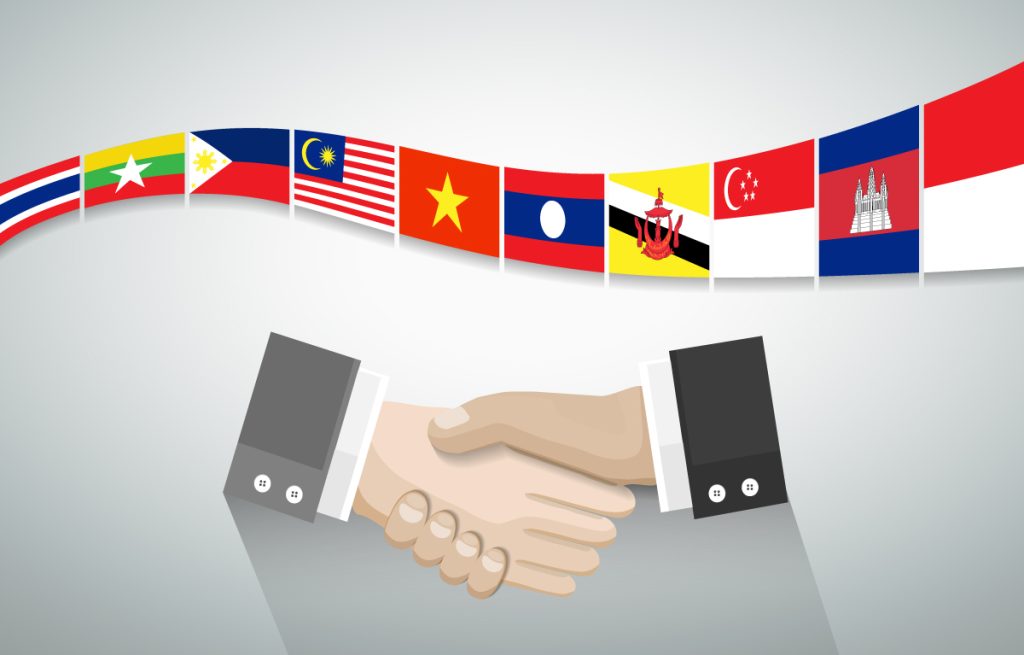
6) Is there an opportunity for ASEAN countries to come together in response to the US tariffs, and how might Singapore take a leadership role in such initiatives?
Internal ASEAN trade continues to underperform. Many of the ASEAN member-states continue to focus on external markets for export growth. That suggests that indeed, there should be obvious opportunities to come together, given the diversity in economic interests – perhaps not in a consolidated response to the US, but at least in a joint focus on reinvigorating the ASEAN Economic Community. Although all the building blocks are in place to make this Community successful, economic operators continue to report many trade and investment barriers that stand in the way of smooth operations across ASEAN. Most companies continue to treat, and report on, ASEAN as individual territories, not as a region.
Singapore has a vested interest in the growth and integration of ASEAN as a single market and production base, given its strength in hosting regional headquarters and supply chain control towers, and its position as a trusted gateway to the rest of the world. The upcoming Singapore-Johor Special Economic Zone is a good example of what may be possible. Singapore can and should play a vital role in promoting more such initiatives around the region.
1) Where do you anticipate the most significant risks or impacts from the US tariffs on your sector in Singapore, particularly in terms of cost and supply chain disruptions? Do you foresee any long-term consequences for your sector?
We anticipate that export-oriented sectors in Singapore will bear the brunt of the impact from the US tariffs, particularly those closely tied to global manufacturing and electronics supply chains. Singapore’s recent manufacturing figures have already reflected signs of weakness, with the March Purchasing Managers’ Index (PMI) at the lowest level in eight months. Sustained trade tensions could further dampen industrial activity.
Consumer sentiment is another area of concern. Prolonged economic uncertainty may lead households to tighten their belts, which could weigh on domestic consumption. In fact, the February retail sales data showed softness in discretionary spending, suggesting that caution among consumers may already be setting in.
2) Singapore has formed a taskforce to help businesses and workers. How will this assist businesses in coping with the volatility caused by the tariffs? What kind of support or policy changes would you like to see from the Singapore government, to help businesses navigate the impacts of US tariffs?
The formation of a taskforce by the Singapore government is a timely and proactive step to help businesses and workers navigate the challenges posed by rising global trade tensions and tariffs. Just as we saw during the COVID-19 crisis, a coordinated response can provide both strategic guidance and practical support to manage structural shifts in the global economy.
We hope to see the taskforce focus on helping businesses reconfigure their supply chains to reduce exposure to tariff-related disruptions, as well as provide targeted support for sectors most affected by rising costs. Equally important will be initiatives to upskill workers, enabling them to remain resilient and adaptable in an increasingly volatile and bifurcated global economy.
In the longer term, policies that foster innovation, diversification of trade partnerships, and greater digitalisation will be key to helping Singapore businesses stay competitive and future-ready.
3) What opportunities do you see for Singapore-based businesses? Are there specific industries or companies in Singapore that stand to benefit from the shifting global trade landscape?
Amid the challenges posed by the shifting global trade dynamics, there are also significant opportunities for Singapore-based businesses. As a leading global trading and logistics hub, Singapore is well-positioned to benefit from increased transhipment activity, especially as companies look to diversify supply chains and reduce reliance on any single trade corridor.
In addition, Singapore’s strong legal and regulatory framework could position it as a neutral ground for regional headquarters or arbitration services as businesses navigate trade uncertainties.
As a small island nation-state, with our origins as a trading port and today an international centre, Singapore is undoubtedly in the crosswinds of supply chain and trade disruptions following the US levy of tariffs on its global trading partners and its ongoing tariff war with China.
With a downward revision of forecasted GDP growth for Singapore, we need to double down on investments, strengthening our capabilities to respond to a new world order. Government support for Singapore companies looking to invest and upgrade their supply chain agility and resilience would be one welcomed policy direction.
Funding support for ERP (enterprise resource planning) and SCM (supply chain management) upgrades and investments, as well as technical resources in reviewing and enhancing supply chain agility and skill sets would be helpful. These could include helping companies understand and implement strategies to deploy modular manufacturing, assembly, quality assurance and testing in the manufacturing sector, backed by investments in technology and upskilling of our labour force. Government support and continued facilitation of a seamless intra-ASEAN trade in a digital era would also be helpful.
1) Given Singapore’s trade-dependent economy, what are some of the direct and indirect impacts of increased tariffs on Singaporean businesses and industries?
Increased tariffs can have both direct and indirect impacts on Singapore’s trade-dependent economy, affecting various businesses.
On direct impacts, higher tariffs will increase the overall costs for Singapore companies that export goods. This will make their products more expensive and reduce their competitiveness, leading to declines in volume of exports and revenues. Also, as many Singaporean companies are integrated into global supply chains, the increased tariffs can disrupt these networks, particularly if US suppliers are involved. This can lead to delays, increased logistics costs, and the need for companies to find alternative suppliers.
On indirect impacts, the imposition of tariffs can create uncertainty in the global market, leading businesses to hesitate in making investment decisions. This uncertainty can slow down economic growth and reduce overall business confidence. Given Singapore’s trade-dependent economy and status as a global trading hub, the impact on the city-state is significant. Higher prices for imported goods due to tariffs can contribute to inflation. This can reduce consumer purchasing power and lead to decreased domestic consumption, affecting sectors like retail and services. Industries affected by decreased demand may be forced to reduce their workforce or adjust wages, impacting employment levels and consumer spending in the economy.
Overall, while Singapore’s economy is resilient and adaptive, increased US tariffs present challenges that could require strategic adjustments across various sectors to maintain economic stability and growth.
2) Singapore has often championed free trade. How will the global shift towards protectionism affect Singapore’s foreign policy and trade agreements?
The global shift towards protectionism challenges Singapore’s traditional free trade stance, but it also provides an opportunity for the nation to reinforce its commitment to open markets and innovation. To mitigate the risks associated with protectionism, Singapore may seek to further diversify its trade relationships. Singapore may have to double down on its commitment to free trade, using its diplomatic channels to advocate for open markets and multilateral trade agreements. By diversifying trade partnerships, pursuing new trade agreements, and advocating for free trade principles, Singapore can navigate these changes while continuing to thrive as a global trading hub.
3) What strategies might Singapore employ to mitigate the effects of tariffs on its economy, and what role does diversification in trade partners and industries play in this?
Diversification in trade partners and industries will be a vital strategy for Singapore to mitigate the effects of tariffs on its economy. By expanding its trade relationships with a wider range of countries, including emerging markets that offer growth potential, fostering innovation, and enhancing domestic resilience, Singapore can reduce its reliance on any single market such as the US. This will enable it to navigate the challenges posed by protectionism while continuing to thrive as a trusted global trading partner. These strategic approaches will help ensure long-term economic stability and growth in the face of evolving global trade dynamics.
4) Singapore has formed a taskforce to help businesses and workers. How will this assist SMEs in coping with the volatility caused by the tariffs?
The establishment of a taskforce dedicated to supporting businesses and workers in Singapore can significantly assist SMEs (small and medium-sized enterprises) in coping with the volatility caused by tariffs. This support can be rendered through various channels and include providing financial assistance such as grants and loans, advisory services on tariff impact assessment, training to equip them with skills to adapt to new market conditions, market diversification support, and policy advocacy to represent SME interests. The taskforce can empower SMEs to navigate challenges, enhance resilience, and seize new opportunities in a changing trade landscape.
5) Prime Minister Lawrence Wong highlighted the importance of diversifying trade relationships. Which new markets do you think Singapore could focus on, to reduce dependency on the US and China?
Apart from strengthening Singapore’s trade relationships with nations such as those in Southeast Asia, Europe and China, we should also target emerging and alternative markets such as Japan, South Korea, India, Taiwan and the Middle East.
6) Is there an opportunity for ASEAN countries to come together in response to the US tariffs, and how might Singapore take a leadership role in such initiatives?
It is important that ASEAN aims for deeper regional integration and stays united as collective strength is the only way to increase its bargaining power and demonstrate its credibility. Among member-states, they should strengthen intra-trade to create internal economic resilience and reduce dependency on US markets. Singapore can play a key leadership role in these ASEAN initiatives by providing the diplomatic bridge, capitalising on its current strong bilateral ties with a number of nations. Singapore can also lead through ASEAN forums to coordinate responses to global trade challenges.
The recent intensification of US-China tensions has disrupted global capital flows and foreign direct investments. While service-type businesses do not face as much direct exposure to US tariffs through traditional export channels, tariffs contribute to global cost inflation and disrupt existing supply chains. Businesses have to adapt by diversifying to build new supplier networks, establish alternative sourcing channels, and form fresh strategic partnerships.
In this evolving environment, Singapore’s position becomes even more critical. As a longstanding neutral hub in Asia, Singapore finds itself at a pivotal crossroads – facing both new challenges and unique opportunities. To maintain its edge, the government needs to continue to reinforce its role as a trusted, rules-based bridge between East and West, leverage its political stability, transparent governance, and strategic connectivity to help Singapore-based firms to adapt and de-risk international operations.

1) Given Singapore’s trade-dependent economy, what are some of the direct and indirect impacts of increased tariffs on Singaporean businesses and industries?
Singapore’s trade-to-GDP ratio for 2023 was 311.24% and for 2022, 332.98%, indicating a high reliance of the economy on trade. Direct impacts include increased costs for importers, in particular, the manufacturing and electronics sectors which rely on global supply chains. This will then affect profit margins which will render increasing prices for exports, which hurt competitiveness.
Indirect impacts would include the disruption of global supply chain trade flows, which affects Singapore’s shipping and logistics industries as trade volumes reduce. Businesses may also slow down investments given the downturn of the economy in general and the increasing inflation.
Potentially, companies will look to relocate some of their supply chains to Southeast Asia and Singapore, which presents investment inflow opportunities.
2) Singapore has often championed free trade. How will the global shift towards protectionism affect Singapore’s foreign policy and trade agreements?
Singapore will have to go into new FTAs (Free Trade Agreements) or deepen existing FTAs to reduce reliance on the US and any single market.
3) What strategies might Singapore employ to mitigate the effects of tariffs on its economy, and what role does diversification in trade partners and industries play in this?
Continue to provide financial support for businesses to offset the impacts of inflation and increase their value and competitiveness and, in tandem, support multi-sourcing, so as to diversify their supply chains.
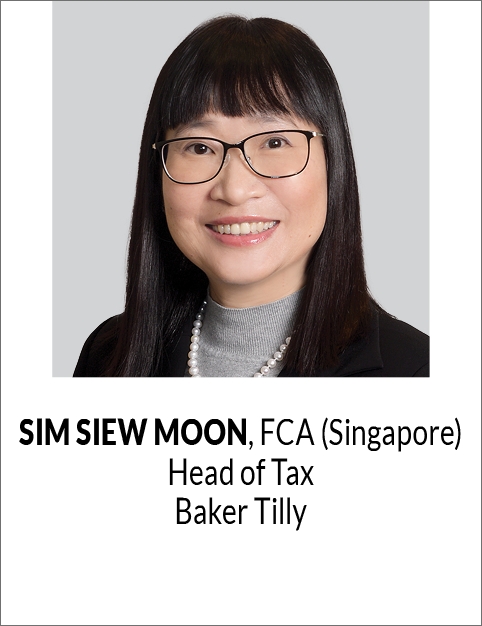
Due to the rapidly evolving nature of recent US trade policies, such as the sudden 90-day pause on heightened tariffs, businesses now operate in a VUCA (volatile, uncertain, complex, ambiguous) world. To navigate this landscape, it would be useful for the taskforce to establish real-time feedback loops, collaborative programmes that allow businesses to share resources, and advisory support to help companies pivot to less-impacted markets. More importantly, businesses should be encouraged to restructure and plan for a more resilient operating model with a diversified supply chain that can better withstand external shocks and long-term policy shifts.
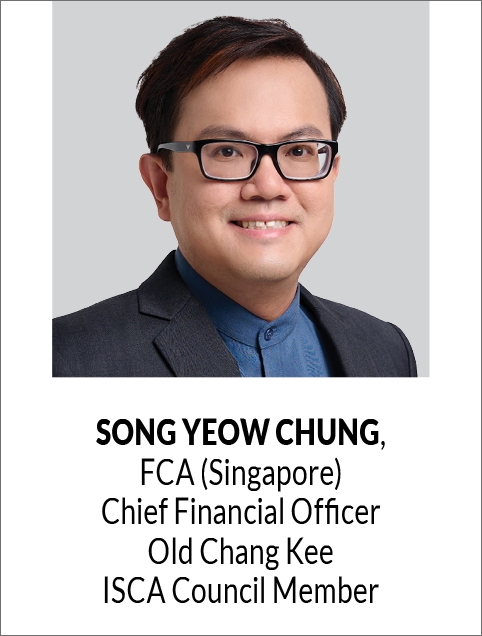
My take is that in general, the impact will be more striking for companies in the manufacturing and logistics industries, especially companies that ship to the US.
For retail-based businesses, the impact will be more indirect, in terms of a potential recession/slower growth hampering retail and shopper demand.
With slowing demand, companies will need to think of more channels to sell their products and also look to rein in their cost base.
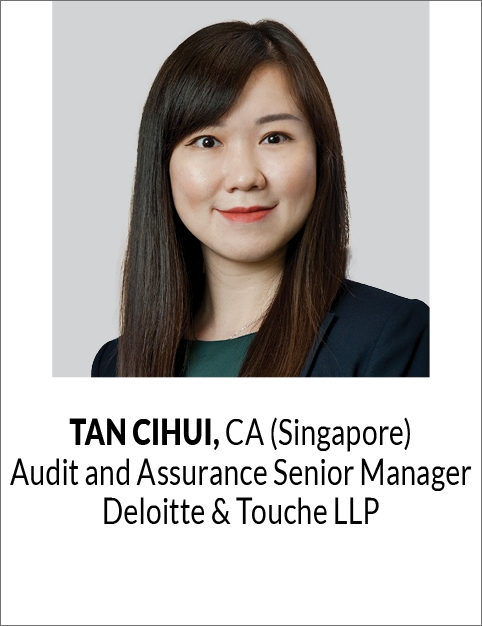
For accounting service firms in Singapore, I believe the most significant risks or impacts from the US tariffs on our business operations will stem from the ripple effects of increased costs and supply chain disruptions faced by our trading and manufacturing clients. These clients face potential loss of revenue and/or erosion of profit margins. Their cashflow management and forecast of the business operations will also be impacted, potentially leading to asset impairments. As clients begin to implement more cost-cutting measures, I anticipate potential requests for reduction in audit and assurance fees.
On the other hand, businesses must rethink and diversify their current demand and supply chains, explore new collaborations, and consider merger and acquisition (M&A) options. This opens doors for our consultants to offer advisory services in areas of strategy development, M&A transactions, and tax management. Furthermore, with this shift in the global trade landscape, there will be opportunities to grow Singapore’s service industry, particularly in areas such as trade finance and supply chain management, transiting the country towards a more service-based economy.
To navigate the impacts of US tariffs, I would urge the government to work closely with other countries to secure alternative market access points for Singapore businesses.