



TAKEAWAYS
You don’t have to be a foodie to know Old Chang Kee, a home-grown brand synonymous with curry puffs, and a range of hot snacks that resonate with both locals and tourists. Our team’s assigned problem statement focused on two pressing challenges: manpower shortages, and rising costs of food, rent, and labour. Although these issues are not unique to Old Chang Kee, their resolution is vital for the brand’s ability to sustain its reputation and operations in the years ahead.
Upon diving into the problem, we realised that these challenges are interconnected. Manpower shortages strain service quality while rising costs limit investment in solutions. The labour market in Singapore is competitive, particularly in the food and beverage (F&B) sector, where attracting younger workers is increasingly difficult due to the long hours and physically demanding tasks. Meanwhile, inflation, global supply chain disruptions, and wage policies have driven up overall business costs.
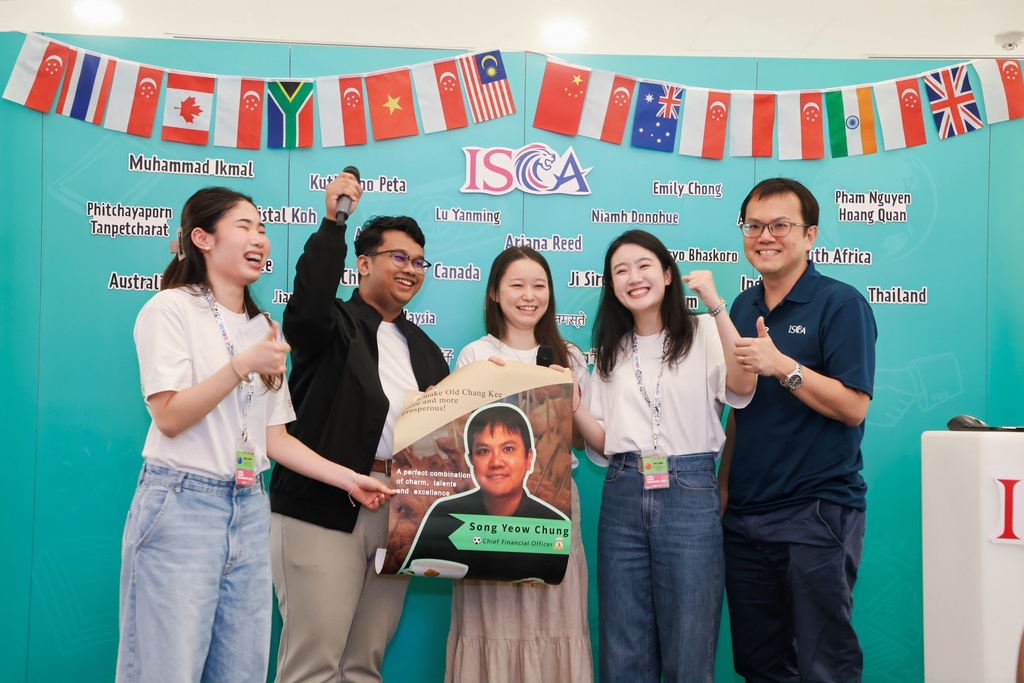
Initially, we thought automation could solve the manpower issue by replacing labour-intensive tasks. However, we soon recognised that too much automation could compromise the personal touch customers associate with Old Chang Kee. The challenge, then, was to find a balance between efficiency and maintaining the customer experience. Our discussions with Mr Song Yeow Chung, Chief Financial Officer (CFO) of Old Chang Kee, revealed that the case was not just about financial sustainability but also about staying true to the brand values during its global expansion.
Our approach to tackling the challenges faced by Old Chang Kee involved market analysis, revenue generation, cost reduction, and expansion strategies, each focused on a practical solution.
Market analysis
Ikmal began by exploring Old Chang Kee’s customer base and key differentiators. The brand’s strong position in the Singapore market is driven by the high quality of its authentic local snacks and strategic outlet placements in high-traffic areas. However, while Baby Boomers and Gen X have been loyal customers, there is a gap in engaging Millennials and Gen Z. These younger generations are more experiential and trend-driven, so engaging them is crucial for Old Chang Kee’s future growth. The challenge was not only to improve engagement but also to tap into these groups’ potential to help propel the brand forward.
Revenue generation
Alicia suggested leveraging social media trends and expanding into the grocery retail segment to boost revenue. Through campaigns like #thisPUFFisgoodSTUFF, Old Chang Kee could engage Millennials and Gen Z by creating visually appealing content to increase brand visibility. Expanding product offerings through subscription services and snack boxes targeted at different demographics, like busy professionals, students, and families, could generate recurring revenue. Additionally, tapping into the retail sector with frozen, ready-to-eat meals could meet the growing demand for convenience foods.
Cost reduction
Sirui focused on cost reduction by proposing automation and reducing reliance on physical store fronts. The introduction of vending kiosks at strategic locations would help reduce rental and manpower costs while offering a tech-savvy solution for consumers. Additionally, automating processes, such as frying food with robotic systems, would reduce labour costs and ensure consistent cooking quality. To combat rising food costs, we suggested price-tiered product sizing, offering customers more flexible portion options based on price and demand.
Expansion plan
Shiyi explored the potential of franchising to scale Old Chang Kee both locally and internationally. By offering lower initial franchise fees and ongoing royalties, Old Chang Kee could expand its brand without requiring large capital investments. This approach would allow local entrepreneurs to tap into regional markets, although challenges in maintaining consistent product quality across franchises would need to be addressed. We also suggested leveraging pop-culture collaborations and strategic pop-up stores as part of the global expansion plan to capitalise on trends and generate brand awareness.
Our experience in tackling the Old Chang Kee problem statement was an intellectually stimulating exercise that highlighted the importance of balancing efficiency with customer experience. Tackling the challenges of manpower shortages and rising costs required us to think strategically about automation while preserving the values that define Old Chang Kee’s legacy.
The teamwork aspect of the project was crucial to our success. Each team member brought a unique perspective, whether it was in market analysis, revenue generation, cost reduction, or expansion strategies. This diversity allowed us to develop a comprehensive solution that addressed the problem from multiple angles. The combination of our distinct ideas and skills was a key driver in crafting a strategy that we believe would help Old Chang Kee maintain its strong brand presence while evolving to meet future challenges.
Ultimately, this project highlighted the value of strategic thinking for long-term sustainability. Old Chang Kee’s growth will depend on its ability to innovate, embrace technology, and expand strategically while staying true to its core values. Our approach provided us with valuable insights into how businesses can adapt to change while staying connected with their customers and their heritage. These lessons will be pivotal in our future endeavours as we continue exploring solutions for businesses facing similar challenges in an increasingly competitive and evolving marketplace.
We would also like to extend our heartfelt gratitude to CFO Mr Song for his mentorship. Not only did he guide us in navigating the complexities of the business challenges we faced, his wisdom and insights extended far beyond the project. His genuine care for our personal and professional growth has left a lasting impact. Mr Song is truly someone who goes beyond just being a mentor – he has been a beacon of guidance for us. We are incredibly grateful for the lessons and advice he shared, which will continue to shape our journey moving forward.
In the next article, find out how the GTP students addressed Grab’s autonomous vehicle strategy with a global lens.
Also read: Part 1, Part 2 and Part 3 of this article.
Alicia Wong Wei Ling is in Year 1, Accounting and Finance, University of Sydney, Australia; Muhammad Ikmal Hakim is in Year 3, Accounting, Universiti Malaya, Malaysia; Jiang Shiyi is in Year 4, Accounting, Xi’an Jiaotong-Liverpool University, China; and Ji Sirui is in Year 2, Accounting, Nanyang Technological University, Singapore.