TAKEAWAYS
Family offices are private entities established by ultra-high-net-worth individuals to manage their personal and family wealth. Unlike conventional financial institutions, family offices provide holistic and highly customised services, including investment management, estate and succession planning, philanthropy, tax advisory, and lifestyle support. In Singapore, the number of family offices has grown from just 400 single-family offices in 2020 to over 2,000 today. This rapid growth is transforming the private wealth landscape and attracting global attention.
The booming family office sector is opening up valuable opportunities for accountants. As these entities grow in scale and complexity, there is rising demand for professionals who can go beyond traditional accounting roles that focus on audit, compliance, and financial reporting. Accountants in the family office sector must cultivate additional expertise in the areas of investment management, taxation, and estate planning. As internships and mentorship opportunities are becoming more accessible, they allow accountants to gain practical experience in the field.
Understanding the specific needs of ultra-high-net-worth families requires not just rigorous financial knowledge but also the ability to provide personalised financial insights. For many, a path to a career in family office accounting involves unique hurdles, requiring an elevated level of readiness and capabilities.
In Singapore, family office accountants must also navigate a dynamic regulatory environment. As a leading global financial hub, Singapore has become a magnet for wealth management activities, and regulations around tax transparency, anti-money laundering (AML), and know-your-customer (KYC) protocols are increasingly stringent. Family offices must adopt rigorous controls and stay updated on local regulatory changes, which can significantly impact the management of global assets. For accountants, this demands increased awareness and continuous education about evolving laws and compliance requirements.
For aspiring family office accountants, education must extend beyond traditional accounting principles. While a solid foundation in these principles is vital, these professionals also require a comprehensive understanding of wealth management, including tax planning, succession planning, and estate management.
As the portfolios managed by family offices can be incredibly diverse, accountants must be prepared to handle various asset classes, from traditional stocks and bonds to more complex investments like hedge funds, and private equity. Familiarity with wealth preservation strategies, asset protection, and international tax regulations is crucial.
In addition to technical skills, the importance of emotional intelligence (EI) is paramount. While the accounting profession used to be defined by technical expertise, it is increasingly recognising the importance of EI as an essential leadership and interpersonal skill. Family office accountants work closely with principal family members, and this may include the communication of complex financial data clearly and diplomatically. Building trust is also essential, as accountants advise on sensitive matters. Integrating EI with technical expertise ensures that accountants can meet the unique needs of a family office, thus fostering both financial success and strong, trust-based client relationships while respecting the intricate bonds unique to each family.

The objectives of family offices and the legacy they wish to leave behind are highly personal. The field is diverse, and ranges from responsible investing to education and other forms of philanthropic activities.
For example, as environmental, social and governance (ESG) factors gain significant attention, they are increasingly shaping the investment strategies of many family offices. Many family offices prioritise wealth preservation as a legacy and at the same time, recognise the critical importance of aligning ESG principles with future generational goals.
With that, an accountant will realise that he needs to hone his skills in using specialised software for ESG tracking and reporting based on internationally established frameworks. A robust evaluation and monitoring process is also necessary to allow family offices to track progress against ESG objectives, identify areas for improvement, and align the family’s values over time.
A key challenge faced by family office accountants in Singapore is navigating the intricacies of regulatory and compliance demands. Singapore’s regulatory environment is particularly stringent, with AML and KYC protocols requiring meticulous due diligence. These compliance obligations are essential in preventing illicit financial flows and protecting the integrity of Singapore’s financial system.
Additionally, international compliance standards are constantly evolving, with regulations like the Common Reporting Standard (CRS) and Foreign Account Tax Compliance Act (FATCA) affecting global wealth fund flows. Accountants in family offices must be able to manage these international standards alongside Singapore’s local regulatory requirements, ensuring seamless compliance across jurisdictions. These regulatory complexities can pose a significant learning curve for accountants new to the field, underscoring the need for specialised training and a comprehensive understanding of global finance.
Naturally, family office accountants must stay current with the technological advancements transforming the financial landscape. Disruptive technologies, such as artificial intelligence-driven analytics, blockchain, and cloud-based accounting software, require accountants to be proficient in digital tools that streamline workflows and enhance data accuracy. For family offices, where real-time financial data and personalised insights are critical, leveraging technology is essential to providing the highest level of service. It is no longer an advantage but an expectation.
However, leveraging these tools requires accountants to continuously update their skills to keep pace with innovations that reshape traditional workflows. Being open to change and innovation will set family office accountants apart, enabling them to offer more insightful, efficient, and forward-looking financial solutions.
Singapore’s accounting industry plays an instrumental role in supporting professionals who aspire to have careers in family offices. Recognising the specialised needs of this sector, industry associations and professional bodies should provide a range of training programmes and resources focused on wealth management and family office functions. The Institute of Singapore Chartered Accountants (ISCA) and Wealth Management Institute (WMI), for instance, offer specialised certifications and networking opportunities for professionals to enhance their knowledge in private wealth management. These resources not only provide essential technical skills but also prepare accountants to handle the complex and sensitive nature of family office work, empowering them to transition effectively and confidently into this niche area.
A career in family wealth management combines technical expertise with a deep commitment to personalised financial stewardship. As family offices continue to expand in Singapore, so too will the demand for skilled accountants equipped to manage complex, multigenerational wealth. The path may appear challenging but, with the right skills, a commitment to continuous learning, and support from Singapore’s accounting and wealth management industry, success is within reach.
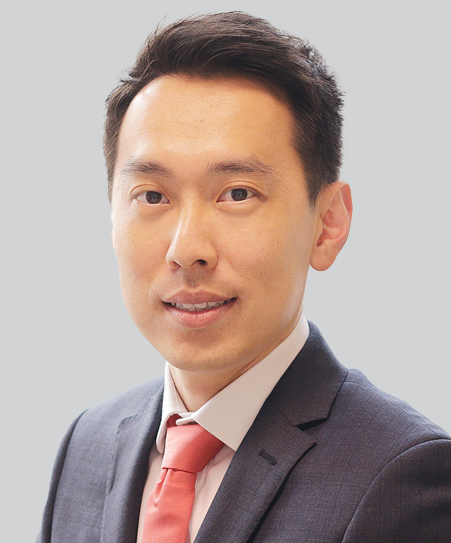
Quek Kian Leong, CA (Singapore), is a member of ISCA’s Banking and Finance Committee, and Partner at PwC specialising in Financial Service Assurance and Private Banking.