
TAKEAWAYS
When our team first embarked on the National University Health System (NUHS) problem statement as part of ISCA’s Global Talent Programme (GTP) 2025, we were admittedly overwhelmed. The issue at hand was not limited to NUHS alone; rather, it was intertwined with the collective healthcare system of Singapore. Knowing that our work could potentially influence such a critical, highly regulated, and far-reaching sector was both exciting and daunting.
At the start, we were perplexed by the complexity of public healthcare operations. And it definitely required constant balancing between innovation and regulation, as well as careful checks, to ensure our proposals were realistic rather than purely idealistic.
We quickly realised this was not the kind of challenge where you could jump straight in, and brainstorm the big ideas. The task would necessitate patience, empathy, and a willingness to understand the system deeply before any suggestions can be made.
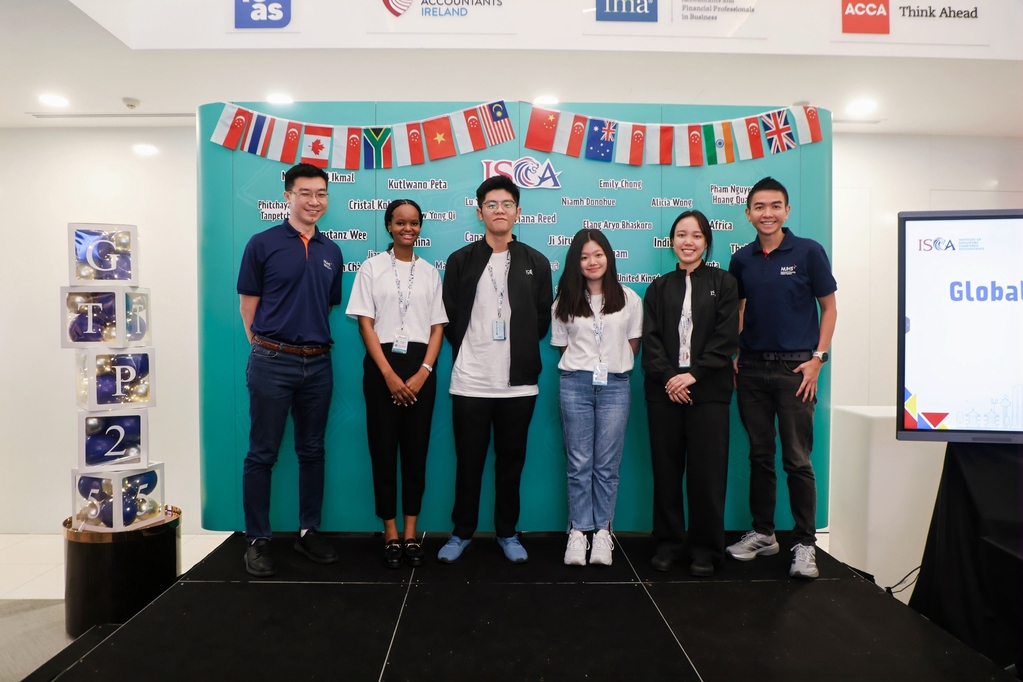
Our group’s problem statement was: “The rising cost of healthcare and shortage of healthcare workers pose challenges to Singapore’s healthcare system. Propose solutions to manage the rising costs and to attract talents to join public healthcare.” With the guidance of our mentor, Mr Li Zhong Hui, Senior Assistant Director, NUHS Corporate Finance, the challenge evolved into something more meaningful and, what had initially felt intimidating became a shared learning experience that stretched our minds in ways we had not anticipated.
We realised early on that our role was not to produce perfect, ready-to-implement solutions. Instead, it was to think critically, ask bold questions, and apply our collective knowledge creatively. This mindset shift took the pressure off “getting it right” and placed the focus on generating thoughtful, well-reasoned ideas that could inspire further development.
Breaking the problem into smaller, more manageable parts allowed us to explore it from multiple perspectives, largely from those of the healthcare professionals, administrators, and patients. We discussed what daily life might look like for a nurse on a 12-hour shift, how hospital administrators might juggle budget constraints with service demands, and what patients might value most during their healthcare journey. Through these conversations, two guiding qualities emerged: empathy and adaptability. Both shaped not only our approach, but also the kinds of solutions we eventually proposed.
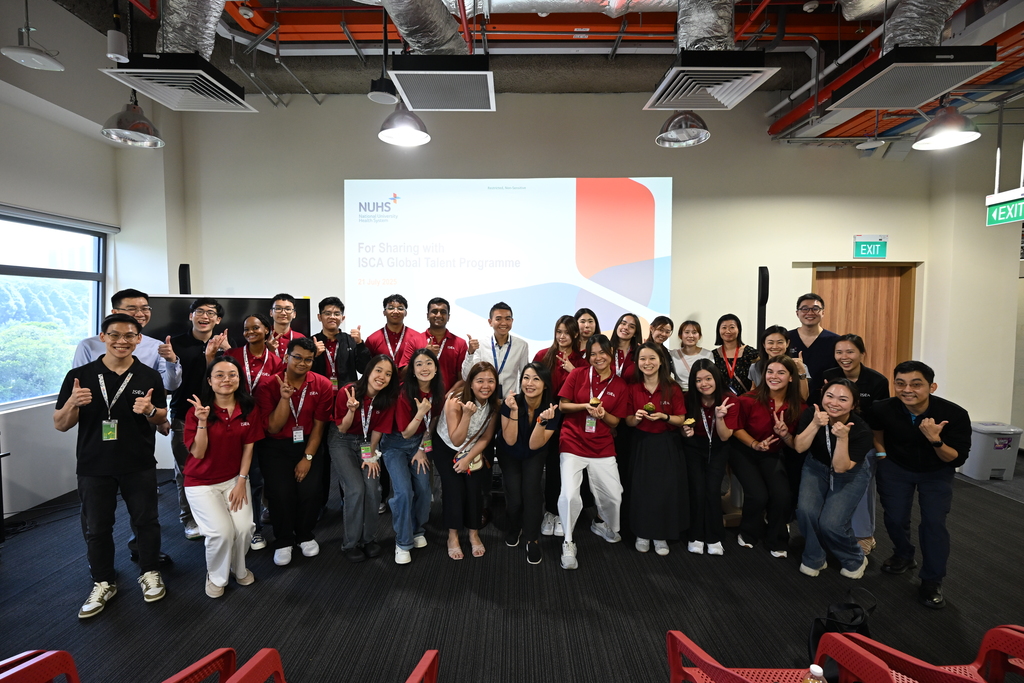
Our team brought together a rich mix of backgrounds and experiences. Some of us came from countries where public healthcare struggles primarily with resource shortages; others were more familiar with healthcare systems where the main challenge was balancing the ageing populations with limited manpower. This diversity meant that we often had to reframe our assumptions for Singapore’s unique context. For example, in some countries, awareness campaigns or morale-boosting events for healthcare workers might be impactful, but in Singapore, such initiatives are often already well established. Many of our early ideas, such as cultural appreciation events for nurses or wellness perks through gym partnerships, were set aside, due either to the wrong cultural fit or because similar programmes, like HealthierSG, were already in place.
We thought we had encountered a creative roadblock, as the challenge came from innovating within what felt like a narrow scope. However, this turned out to be a valuable lesson for us. We learned that constraints don’t kill creativity – they refine it. Constraints forced us to dig deeper, research more thoroughly, and find solutions that were truly relevant and feasible.
After several rounds of discussions and research, we focused our recommendations on three main strategies:
At first glance, these ideas may not appear groundbreaking, but we came to understand that impactful solutions don’t always need to be revolutionary. Sometimes, adapting and refining proven concepts to suit a specific context can be just as powerful. We aimed for proposals that could be realistically implemented, scaled, and sustained over the long term.
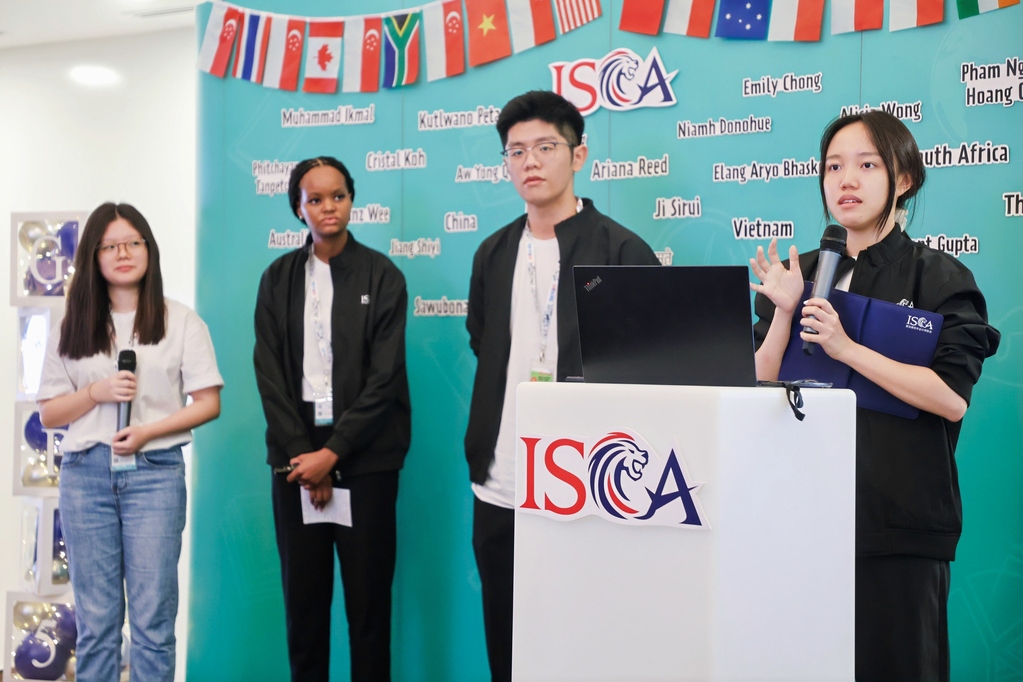
Working together as a team was both challenging and rewarding. Each of us brought unique strengths: some were naturally structured and disciplined, ensuring timelines and deliverables stayed on track; others were thoughtful listeners who absorbed different viewpoints before offering considered input; and some thrived on creativity, offering fresh, unconventional ideas that sparked lively debates.
This diversity sometimes led to disagreements. Yet, these moments of friction often led to breakthroughs. By challenging each other’s assumptions, we arrived at more balanced, well-rounded solutions. We learned how to compromise while building on each other’s strengths.
By the end of the project, we had gained far more than just a set of recommendations for NUHS. We developed confidence in navigating ambiguity, honed our skills in communicating across cultural and disciplinary boundaries, and discovered how to strike a balance between creativity and practicality in problem-solving.
Perhaps the most valuable lesson was this: even the toughest, most deep-rooted problems can be tackled when approached with courage, empathy, and teamwork. And, just as importantly, we saw firsthand that fresh perspectives – even from students – can plant the seeds for meaningful, lasting change.
This project not only expanded our understanding of Singapore’s public healthcare system, it reshaped the way we approach complex challenges in general. We walked away not just with a deeper respect for the work done by healthcare professionals and administrators, we now have a stronger belief in our own ability to contribute meaningfully, no matter how daunting the problem may seem at first.
In the next article, read about how a group of GTP students addressed Old Chang Kee’s challenges as a home-grown business branching overseas, and what suggestions they gave to manage the issues.
Also read: Part 1 and Part 2 of this article.
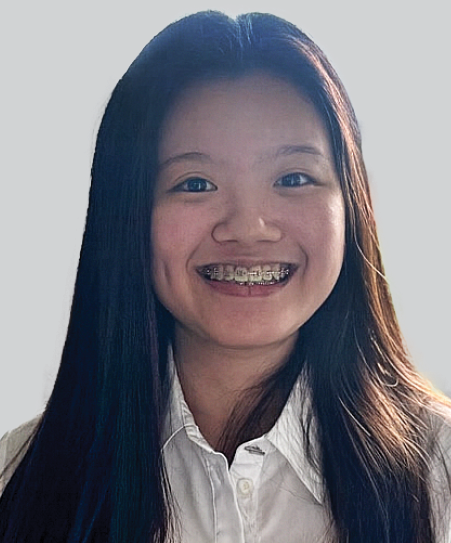
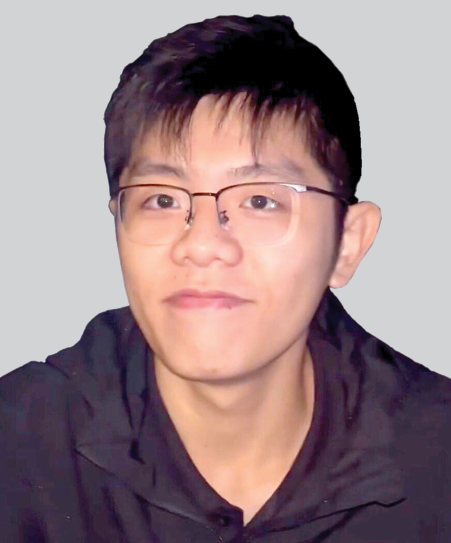
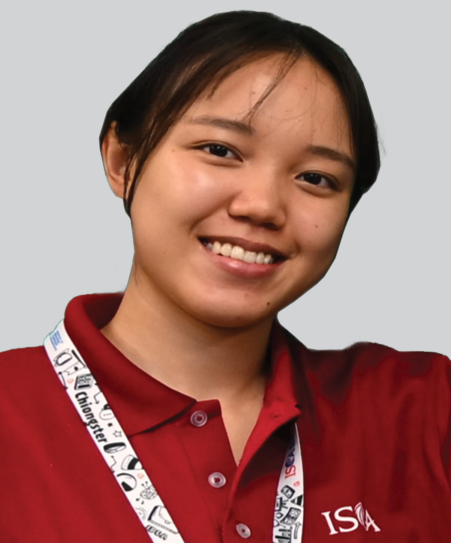
Emily Chong is in Year 1, Business Management, Singapore Management University; Kutlwano Peta is in Year 2, Accounting Sciences, University of Pretoria, South Africa; Phạm Nguyễn Hoàng Quân is in Year 2, Auditing, University of Economics Ho Chi Minh City, Vietnam; and Aw Yong Qi is in Year 2, Accountancy, Singapore University of Social Sciences.